The 3-layer system consists of layering a breathable first layer against the skin, an insulating second layer to retain heat, and a protective third layer against wind and precipitation.
This setup lets you easily adapt your outfit to temperature, wind, rain, and especially the intensity of your effort. In trail and running, the goal is to stay protected enough without trapping too much heat or moisture under your clothes.
You don’t always need to wear all three layers. In cold but dry weather, two layers may be enough. In rain and wind, the third layer becomes much more important.
How does the 3-layer system work?
Each layer serves a specific function. Their complementarity allows simultaneous management of sweat produced during effort, heat loss, and external weather conditions.
| Layer | Function | Type of garment |
|---|---|---|
| 1st layer | Wick moisture and stay comfortable against the skin | Technical breathable shirt |
| 2nd layer | Retain some of the heat produced by the body | Thermal or technical fleece shirt |
| 3rd layer | Protect from wind, rain, and snow | Windproof or breathable waterproof jacket |
1st layer: wick sweat away
The first layer is worn directly against the skin. Its role is to transfer moisture produced during effort to the outside of the fabric to limit the feeling of damp clothing.
Synthetic fibers like polypropylene, polyamide, or polyester are especially suited for this use thanks to their quick-drying ability. Merino wool is also an interesting option for certain activities.
In contrast, cotton absorbs a lot of moisture and dries slowly. Once wet, it becomes much less suitable for long or cold outings.
Worn directly against the skin, the SEAMLESS is designed to promote thermal exchange and moisture wicking during winter outings.
Its high polypropylene content, naturally hydrophobic, promotes quick drying. Polyamide adds comfort and insulation, while elastane allows the shirt to move with you.
To be worn as a first layer, directly against the skin.
See the SEAMLESS
2nd layer: retain heat without blocking moisture
The second layer provides thermal insulation. It traps some of the air warmed by your body while allowing moisture to continue moving outward.
In trail running, it must remain relatively breathable. A mid-layer that’s too warm can cause heavy sweating on climbs or when pace increases. The accumulated moisture then becomes particularly uncomfortable as soon as you slow down.
For this reason, the second layer is often the first to adjust when your effort level or temperature changes.
The WINTERTRAIL shirt combines warmth, breathability, and stretch to support your winter outings.
Its bi-material construction and checkered fabric are designed to promote thermal regulation during effort. A large zipped back pocket completes the shirt.
To use as a mid-layer when temperatures require more insulation.
Discover WINTERTRAIL
3rd layer: protect yourself from wind and precipitation
The third layer forms the outer barrier. Its role depends on conditions: blocking the wind in dry weather or providing true waterproof protection when rain, wet snow, and wind combine.
For sports practice, breathability remains essential. A highly protective membrane that can’t evacuate enough moisture can cause a lot of condensation during intense effort.
Raidlight uses the MP+® membrane, developed to combine waterproofing, breathability, and wind protection.
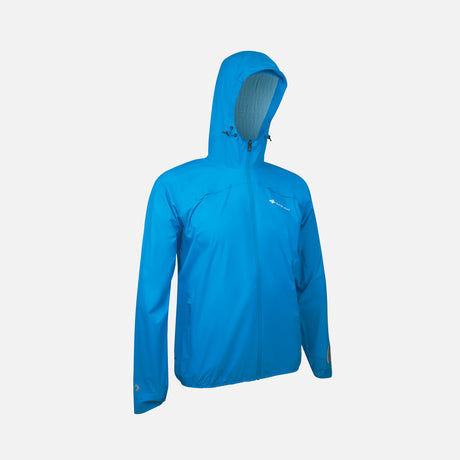
A waterproof and breathable jacket designed to protect you from rain and wind during trail running.
To add when rain, wind, or harsh weather conditions require a true protective layer.
See the TOP EXTREME MP+®
Should you always wear all three layers?
No. The 3-layer system is a way to organize your outfit, not an obligation to wear three garments at all times.
The number of layers depends on the temperature, wind, humidity, duration of your outing, and your intensity. A fast session generates much more heat than a slow jog or a long hiking section in the mountains.
| Conditions | Possible combination | Logic |
|---|---|---|
| Cool and dry | Layer 1 + light protection if needed | Evacuate humidity without overheating |
| Dry cold | Layer 1 + layer 2 | Add insulation without unnecessary membrane |
| Cold + wind | Layer 1 + layer 2 + windbreaker | Keep warmth and limit wind effect |
| Rain without severe cold | Layer 1 + layer 3 | Avoid excessive insulation under the membrane |
| Cold + rain / wet snow | Layer 1 + layer 2 + layer 3 | Managing humidity, heat, and external protection |
Also anticipate changes in pace. A long climb may require opening or removing a layer, while a wind-exposed descent or a long break may require putting it back on quickly.
How many layers to wear according to temperature?
The feels-like temperature gives a first guideline for choosing your outfit, but it should always be combined with weather conditions and your effort intensity. At the same temperature, protection needs can vary greatly between a dry sunny outing, a windy day, or a race in the rain.
The table below gives a simple base to adapt your layering system for running or trail.
| Feels-like temperature | Dry weather | Rain / wet snow | Accessories |
|---|---|---|---|
| 15°C and above | 1 breathable layer | 1 layer + lightweight waterproof jacket if rain lasts | Headband or neck gaiter if needed |
| 5 to 15°C | 1 breathable layer + windbreaker if needed | 1 breathable layer + waterproof jacket | Thin gloves and/or neck gaiter depending on cold and wind |
| 0 to 5°C | Base layer + breathable layer + windbreaker if needed | Base layer + breathable layer + waterproof jacket | Gloves, neck gaiter, beanie or headband |
| Below 0°C | Base layer + thermal insulation + windbreaker | Base layer + thermal insulation + waterproof jacket | Warm gloves, fleece neck gaiter, and beanie |
Above 15°C: prioritize breathability
In dry and sunny weather, a single breathable technical layer is usually enough. If you’re sensitive to wind or cold on your extremities, a headband or neck gaiter lets you easily adjust your protection without adding a full layer.
Between 5 and 15°C: mainly protect yourself from wind or rain
In this temperature range, the intensity of the effort becomes crucial. In dry weather, a base layer combined with a windbreaker may be enough. In the rain, swap that light protection for a breathable waterproof jacket.
If you run at low intensity or are particularly sensitive to the cold, a lightweight thermal layer can complete the outfit.
Between 0 and 5°C: add a real thermal layer
When the perceived temperature approaches 0°C, a mid-layer becomes more useful to retain the heat produced by the body. In dry weather, pair it with a windproof protection if needed. In rain or wet snow, the third layer must be waterproof.
Accessories also become more important: gloves, neck gaiter, and hat or headband protect the most exposed areas without overloading the rest of the outfit.
Below 0°C: combine insulation and outer protection
At subzero temperatures, the three-layer logic really comes into play: a breathable base layer against the skin, an insulating mid-layer, and an outer protection suited to the conditions.
In dry weather, a windproof layer may be enough as the third layer. In rain, wet snow, or strong wind, a breathable waterproof jacket offers more complete protection.
A complete Raidlight 3-layer outfit for winter
For a cold winter outing with risk of wind or precipitation, a coherent combination is to pair a SEAMLESS base layer, a WINTERTRAIL thermal shirt, and a TOP EXTREME MP+® waterproof jacket.
First layer against the skin to wick moisture and regulate thermal exchanges.
Warm and breathable mid-layer to increase insulation when the cold sets in.
20K/20K waterproof protection against rain, wind, and harsh weather conditions.
In summary
The 3-layer system allows you to build a versatile winter outfit: a first layer to manage moisture, a second to provide warmth, and a third to protect against wind and precipitation.
The right combination then depends on the intensity and the weather. In dry cold, two layers may be enough. In rain without severe cold, remove the insulating layer. When cold, wind, and humidity combine, all three layers become essential.