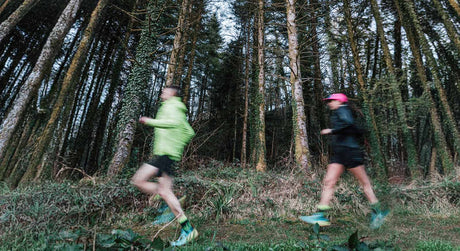
Nutrition is essential for trail runners because it influences not only performance on the trails but also recovery and overall well-being. Adopting a balanced and tailored diet helps support the intensity of training while promoting good health. In this article, Marie shares her essential tips for optimal daily nutrition for trail runners. You'll discover practical tricks to create meals suited to the energy needs linked to this activity. Whether you're new or experienced in trail running, these recommendations will help you fuel your passion while maintaining a healthy lifestyle every day.
Marie is a Raidlight ambassador and passionate about sports nutrition, a field in which she is certified. She works as an advisor at the Raidlight store, where she enthusiastically shares her expertise in outdoor gear. A trail and road runner, Marie finds her balance by enjoying outdoor activities while aiming for performance.
Basic general sports nutrition advice to follow year-round
Disclaimer : Basic dietary balance advice applies to everyone, whether you're sedentary, an occasional athlete, an amateur competitor, or a high-level athlete. The difference lies in how strictly you apply it.
The idea here isn't to set up a strict diet, but rather to be aware of these intakes and be able to manage and adjust them throughout the year depending on training periods and goals, all while adapting day to day!
Base your diet on unprocessed products:
The most important advice remains to limit ultra-processed foods. Besides often lacking essential micronutrients (vitamins, minerals, trace elements) and being unbalanced in macronutrients (too fatty, too sugary, not rich enough in proteins), they are also packed with additives that weaken the intestinal lining and promote inflammatory reactions. Although it's tough nowadays to completely avoid these foods, it's recommended to consume them only on special occasions.
To manage your sports nutrition effectively all year round, the ideal is to build a base plan to adapt daily according to your needs.
Your body needs regularity, and having meals every day at fixed times optimizes food digestibility. Several eating rhythms are possible, to choose based on your schedule and habits.
Meal plan with 3 meals:
- Breakfast: 1 serving of starches + 1 protein source + 1 fat source (+ fruit) and enough hydration.
- Lunch: (divide the plate into 4 parts) 2 servings of vegetables (raw and/or cooked) + 1 serving of starches + 1 serving of protein + a fat source (in the form of raw oils, about 1 tablespoon) + 1 dessert (fruit + dairy products or equivalent).
- Dinner (same recommendations as for lunch).
Meal plan with 4 meals:
- Breakfast: 1 serving of starches + 1 protein source + 1 fat source (+ fruit) and enough hydration.
- Lunch: (divide the plate into 4 parts) 2 servings of vegetables (raw and/or cooked) + 1 serving of starches or legumes + 1 serving of protein + a fat source (in the form of raw oils, about 1 tablespoon).
- Snack: 1 to 2 servings of fruit + a protein source and a fat source (for example: 150g of berries + 60 g of Bündnerfleisch + about ten almonds).
- Dinner: (same recommendations as for lunch).
Meal plan with 5 meals:
- Breakfast: 1 serving of starches + 1 protein source + 1 fat source (+ fruit) and enough hydration.
- Snack: 1 serving of fruit + about ten almonds/walnuts, etc., and a drink.
- Lunch: (divide the plate into 4 parts) 2 servings of vegetables (raw and/or cooked) + 1 serving of starches and/or legumes + 1 serving of protein + a fat source (in the form of raw oils, about 1 tablespoon).
- Snack: 1 serving of fruit + a protein source and a fat source (for example: 150 g of berries + 60 g of Bündnerfleisch + about ten almonds).
- Dinner: (same recommendations as for lunch).
You can totally add a snack in the evening during intense training periods. For example, a bowl of fromage blanc with a bit of sweetener (honey, jam, compote) or a hot chocolate with about ten almonds or walnuts.
Official hydration recommendations are 35 ml of water per kilo of body weight. For a 70-kilo person, that means at least 2.45 L of water per day. It's also advised to drink between 500 ml and 1 L of extra water per hour of physical activity, or more in hot weather. These recommendations apply to everyone, whether you have digestive issues during effort or daily life or not. If you have a particular sensitivity or a fragile gut microbiota, taking probiotics can be very beneficial to strengthen the intestinal wall, improve nutrient absorption, and prevent intestinal infections.
Finally, there’s no need to be overly strict: if weight isn’t an issue, the goal is simply to keep a regular, balanced diet to maintain good overall fitness, support recovery, and protect digestive health.
Managing pre-race nutrition:
Now that the basics are set and your daily diet is optimized, you can focus on prepping for your race!
About a week before the race, avoid alcohol. Besides messing with your gut microbiota, it demands a lot from your body to get rid of it. Its diuretic and dehydrating effects also reduce your body’s ability to efficiently use glycogen stores.
Four to five days before the race, it’s recommended to increase your carb intake to boost glycogen stores. However, it’s common to see athletes go for the “big pasta portions and maltodextrin drinks” diet, which risks exhausting the digestive system due to carb overload. Maltodextrin should be used either for a carb rebound after a dissociated diet, or to avoid increasing carbs in meals. In other words, pick either maltodextrin or a higher carb intake on your plate, but not both!
In practice, if you want to consume maltodextrin, count 0.5 to 1g per kg of body weight diluted in water, to be consumed throughout the day 3 days before the effort.
For sensitive people, it’s advised to reduce or even cut out gluten and dairy during the week before the effort. Gradually lowering fiber intake can also help. The goal is to focus on the essentials: optimal intake of proteins, carbs, and fats, with easy-to-digest foods and meals getting simpler and simpler.
Example of a meal the day before the race, without maltodextrin (if you use maltodextrin, only consume one portion of starches):
Divide the plate into four: 2 portions of lean proteins (like chicken, turkey, lean bacon, tuna, egg, or tofu) and 2 portions of gluten-free starches (peeled potatoes, white rice, quinoa, polenta, etc.). You can add cooked low-fiber veggies like carrot, endives, or zucchini.
Add 1 to 2 tablespoons of raw oil and season with salt. Avoid strong spices, but you can use turmeric, cumin, or fennel, known for their digestive properties.