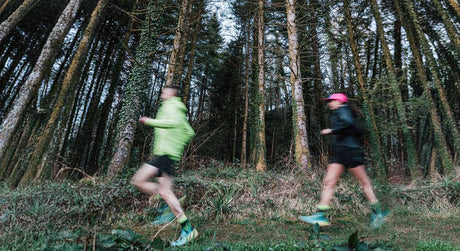
A trail backpack’s volume depends on your autonomy, gear to carry, weather, and aid station spacing. A 5L backpack suits a light outing, volumes from 8 to 15L cover most training sessions, trails, and ultras, while 24 to 45L backpacks meet the needs of raids, stage races, and self-supported adventures.
Volume remains just one criterion among others. Backpack weight, pocket organization, hydration system, support, and gear access directly affect your comfort during effort.
This guide compares the different volumes of Raidlight trail backpacks to help you pick the one that truly fits your practice.
Which trail backpack volume to choose?
The needed capacity increases with the amount of gear you have to carry. For a short outing with little autonomy, a few liters may suffice. As soon as you add a waterproof jacket, food, mandatory gear, or extra clothing, a larger volume becomes useful.
| Volume | Typical use | Raidlight models |
|---|---|---|
| 5L | Light outing, training, race with minimal gear | ULTRA 5L — 120 g |
| 8–10L | Long training, trail, races with gear | RESPONSIV 8L — 250 g DYNAMIC 10L — 200 g |
| 12–15L | Long trail, ultra, more autonomy | ULTRALIGHT 12L — 190 g RESPONSIV 15L — 265 g |
| 24–30L | Raids, stage races, significant autonomy | ULTRA 24-30L — 330 g RAID LEGEND 24L — 770 g |
| 32–45L | Long raids, trekking, multi-day trips, bulky gear | RAID LEGEND 32L — 800 g ADVENTURE 40-45L — 1040 g |
5L trail backpack: run light
A 5L backpack fits activities where carrying needs remain limited: training, short outings, races with regular aid stations, or sessions where you mainly carry water, nutrition, and a few accessories.
ULTRA 5L: 120 g for the essentials
Weighing only 120 g, the ULTRA 5L is the lightest model in this selection. Its small volume suits runners who want to minimize what they carry.
This type of backpack is especially relevant when you don’t need to carry multiple layers of clothing or bulky safety equipment.
5L · 120 g
For light outings, training sessions, and races with minimal gear to carry.
See the ULTRA 5LTrail running backpack from 8 to 15L: the core range for trail and ultra
Between 8 and 15L, you have enough volume to carry hydration, nutrition, a jacket, accessories, and some mandatory gear while keeping a close-to-body fit.
It’s also in this volume range that design differences matter most: pole access, number of pockets, weight, capacity, or pack adjustment can guide your choice toward one model or another.
RESPONSIV 8L: 250 g, compact but organized
The RESPONSIV 8L weighs 250 g and offers 9 pockets to organize gear in a still compact volume. It comes with two 600 ml EasyFlasks and features a waterproof pocket.
Its micrometric tightening system allows you to adjust the fit, while its compatibility with a pole quiver suits runners who use poles.
8L · 250 g · 9 pockets · 2 EasyFlask 600 ml
For a compact volume with multiple storage options and precise adjustment.
See the RESPONSIV 8LDYNAMIC 10L: 200 g and integrated quiver
The DYNAMIC 10L weighs 200 g. Its main standout feature is the integrated pole quiver, which makes transitions easier when you regularly switch between running and using poles.
It also includes two EasyFlasks and a 20K/20K waterproof pocket. Its 10L volume strikes a balance between capacity, organization, and weight.
10L · 200 g · integrated pole quiver · waterproof pocket 20K/20K
Look here first if quick access to poles is one of your priorities.
See the DYNAMIC 10LULTRALIGHT 12L: 190 g, prioritizing weight/volume ratio
With 12L for 190 g, the ULTRALIGHT 12L stands out for its capacity-to-weight ratio. This volume lets you carry more gear while keeping the pack very light.
It naturally fits long trails and ultras where the needed volume increases but every gram carried still matters.
12L · 190 g
For runners looking for plenty of volume with a particularly light weight.
See the ULTRALIGHT 12LRESPONSIV 15L: more space and organization
The RESPONSIV 15L offers a capacity of 15L for 265 g. Its 10 pockets, including a waterproof one, make organizing gear easier as your autonomy increases.
It also comes with two 600 ml EasyFlasks. Its extra volume can be useful for carrying more clothing, food, or running gear.
15L · 265 g · 10 pockets · 2 EasyFlask 600 ml
For long trails and ultras that require more volume and storage.
See the RESPONSIV 15L8L, 10L, 12L or 15L: which one to choose?
| If your priority is… | Model to consider |
|---|---|
| Reduced volume + organization | RESPONSIV 8L |
| Quick access to poles | DYNAMIC 10L |
| Weight/volume ratio | ULTRALIGHT 12L |
| More capacity and storage | RESPONSIV 15L |
Which pack to choose for an ultra-trail?
There’s no single volume that fits all ultras. A 100 km race with many aid stations and little extra gear may require less capacity than a shorter but tougher race with difficult weather or long autonomy between checkpoints.
To choose your ultra-trail pack, first check the race rules and mandatory gear list. Then add what you really need to manage hydration, nutrition, clothing, night, and possible weather changes.
Jacket, pants, headlamp, warm clothes, or specific gear can quickly increase the required volume.
The farther apart water and aid stations are, the more capacity you need for water and food.
The expected conditions also determine how many layers and accessories you need to carry.
A race with frequent aid stations and a semi-autonomous ultra require different organization.
24 to 45L pack: for raids, stage trail races, and multi-day trips
Beyond about twenty liters, needs change. These volumes suit activities where you carry much more gear: clothing, food, bivouac equipment, or gear needed for several days.
ULTRA 24-30L: 330 g to maximize volume/weight ratio
The ULTRA 24-30L offers a modular volume of 24 to 30L for 330 g. Its focus is on maximizing volume while keeping weight low.
It’s designed for activities where autonomy increases while still aiming for lightness: raids, stage races, or adventures with more gear to carry.
24–30L · 330 g
For runners looking for large volume with limited weight.
See the ULTRA 24-30LRAID LEGEND 24L: 770 g for a more structured carry
The RAID LEGEND 24L weighs 770 g. It follows a different logic than the ULTRA 24-30L: minimal weight is no longer the only criterion, and carrying organization takes more priority.
This size is designed for raids and adventures that require a significant volume without moving up to a 30 or 40L trekking pack.
RAID LEGEND 32L: more capacity for long raids
With 32L for 800 g, the RAID LEGEND 32L further increases autonomy. It offers 12 pockets, including 6 secure zipped ones, plus two 750 ml bottles.
Its larger capacity suits long raids and formats requiring more clothing, food, or equipment.
32L · 800 g · 12 pockets
For long raids and situations where organizing a large volume becomes a priority.
See the RAID LEGEND 32LADVENTURE 40-45L: for trekking and multi-day trips
The ADVENTURE offers a capacity of 40 to 45L for 1040 g. This volume suits the most self-sufficient practices in the range: trekking, multi-day trips, stage trail, or multi-day adventures.
It features a frame, 9 pockets, and supports a maximum load of 15 kg. It’s also compatible with a front pack to increase or distribute carried volume.
40–45L · 1040 g · max load 15 kg
For trekking, multi-day trips, and adventures requiring high carrying capacity.
See the ADVENTURE 40-45L| Model | Volume | Weight | Main use |
|---|---|---|---|
| ULTRA 24-30L | 24–30L | 330 g | Raid / autonomy with weight priority |
| RAID LEGEND 24L | 24L | 770 g | Raid / organized carrying |
| RAID LEGEND 32L | 32L | 800 g | Long raid / more gear |
| ADVENTURE 40-45L | 40–45L | 1040 g | Trek / multi-day / self-supported |
Volume isn’t enough: how to choose a truly suitable pack?
Two packs with the same capacity can feel very different once loaded. Their weight, support, pocket placement, and how the load is distributed have a direct impact during the run.
Look at the weight once the pack is loaded
Comparing empty weight is useful, but the total carried weight remains the most important data. Water, food, clothing, and gear can add up to several kilograms.
A very lightweight model is especially suited for minimal weight goals. A more structured pack can become relevant when volume and load increase.
Think about gear access
Frequently used items should remain accessible without removing the pack: flasks, nutrition, phone, or small accessories. Depending on your practice, access to poles can also be a key factor.
Jackets, warm layers, or gear used less frequently can be placed in the rear compartments while remaining easy enough to grab when conditions change.
Check stability on your body shape
A properly sized pack should stay stable while you run. Your body shape, adjustment, the amount carried, and how the contents are distributed directly affect bounce and pressure points.
Flasks or hydration bladder: which hydration system to choose?
The soft flasks placed on the shoulder straps let you quickly see the remaining amount, drink easily, and refill quickly at aid stations.
A hydration bladder allows you to carry a larger amount of water on your back and drink through a straw. It can be useful when you want a centralized water reserve or when water points are more spaced out.
Accessible in front, visible level, and quick refilling at aid stations.
Reservoir grouped on the back and hydration via a straw.
Always check the compatibility of the chosen system with your pack model.
What to put in your trail pack?
Once the volume is chosen, the contents depend on duration, weather, terrain, race rules, and planned autonomy level.
Which Raidlight pack to choose? The comparison at a glance
| Model | Volume | Weight | For what use? |
|---|---|---|---|
| ULTRA 5L | 5L | 120 g | Light outings / minimalism |
| RESPONSIV 8L | 8L | 250 g | Versatile trail / organization |
| DYNAMIC 10L | 10L | 200 g | Trail / frequent pole use |
| ULTRALIGHT 12L | 12L | 190 g | Long trail / ultra-light |
| RESPONSIV 15L | 15L | 265 g | Ultra / more autonomy |
| ULTRA 24-30L | 24–30L | 330 g | Raid / light autonomy |
| RAID LEGEND 24L | 24L | 770 g | Raid / structured carrying |
| RAID LEGEND 32L | 32L | 800 g | Long raid / large volume |
| ADVENTURE 40-45L | 40–45L | 1040 g | Trek / multi-day / self-supported |
The ULTRA and ULTRALIGHT models are the most focused on weight reduction: 120 g at 5L, 190 g at 12L, and 330 g at 24-30L.
RESPONSIV, DYNAMIC, RAID LEGEND, and ADVENTURE offer different volume levels and organization depending on your practice.
In summary: which trail pack should you choose?
To choose your trail pack, start by determining the gear you really need to carry. Volume comes next: 5L for running light, 8 to 15L for most trails and ultras, then 24 to 45L for raids, stage races, and self-supported adventures.
Then compare the weight, pocket organization, access to poles and hydration, and test the pack with a load close to what you’ll actually use.
Among the Raidlight models, the ULTRA 5L focuses on minimalism, the DYNAMIC 10L makes using poles easier, the ULTRALIGHT 12L offers an especially good volume-to-weight ratio, and the RAID LEGEND and ADVENTURE ranges meet the needs of raids and multi-day adventures.