What is the 3-layer system in trail running?
The three-layer system is based on a simple principle: combining three types of fabrics, each having a specific role in regulating your temperature and moisture:
- The base layer – wick away sweat
- The middle layer – insulate and regulate
- The outer layer – shield from the elements
Understanding the 3-layer system
-

first layer
Wicking away sweat
This is the fabric directly in contact with your skin.
Its role : to quickly move moisture to the outside, to prevent cooling.
-

mid layer
Keep warm without overheating
Its role: to hold warm air around the body, while still letting moisture escape.
We adjust it according to the conditions: a simple light long sleeve, or a warmer stretch fleece. -

outer layer
Block the wind, the rain, the snow
Its role: it is the outer barrier, which protects your body and the two inner layers.
Waterproof, windproof, breathable: it is often the most technical piece.


Our clothing dedicated to the 3-layer system
View all-


Unisex waterproof jacket
175 g
Regular price €279,90 EURUnit price /Unavailable -


-


TOP EXTREME ULTRA MP+® 20K/20K
Women's waterproof jacket
205 g
Regular price €219,90 EURUnit price /Unavailable -


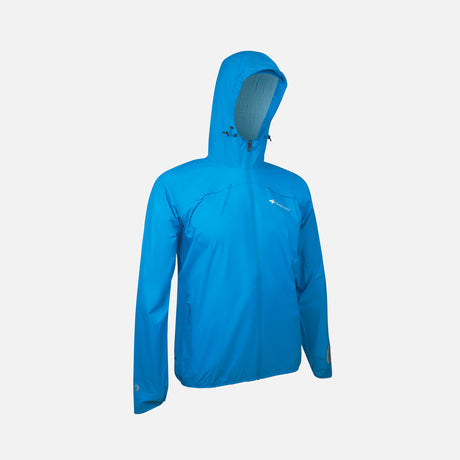

TOP EXTREME ULTRA MP+® 20K/20K
Men's waterproof jacket
225 g
Regular price €219,90 EURUnit price /Unavailable -


Women's waterproof jacket
180 g
Regular price €179,90 EURUnit price /Unavailable -


Men's waterproof jacket
200 g
Regular price €179,90 EURUnit price /Unavailable -


TOP EXTREME ULTRA MP+® 20K/20K - 2025
Men's waterproof jacket
225 g
Sale price €159,00 EUR Regular price €249,90Unit price /Unavailable -


TOP EXTREME MP+® 20K/20K - 2025
Men's waterproof jacket
200 g
Sale price €125,00 EUR Regular price €219,90Unit price /Unavailable -


TOP EXTREME MP+® 20K/20K - 2025
Women's waterproof jacket
180 g
Sale price €125,00 EUR Regular price €219,90Unit price /Unavailable -


-


Men's long-sleeve trail running shirt
320 g
Regular price €79,90 EURUnit price /Unavailable -


-


Women's long-sleeve trail running shirt
105 g
Regular price €69,90 EURUnit price /Unavailable -


Men's long-sleeve trail running shirt
130 g
Regular price €69,90 EURUnit price /Unavailable


Adjust the 3-layer system according to the conditions
The three-layer system is not a rigid standard; it is a flexible tool.
In trail running, what matters is adaptability: to effort, to terrain, to weather, to duration. You won’t need three layers every time – and sometimes, a single well-chosen layer is enough. By understanding the role of each garment, you will know how to build your own clothing strategy, in real time, out on the trail.
🌤 Mild conditions, intense effort
➡️ 1 layer is enough: A breathable technical shirt, combined with arm warmers or an ultralight windbreaker stowed in the pack. The goal: maximize ventilation, avoid overheating.
🌦 Unstable weather, mountainous terrain
➡️ 2 active layers: A close-fitting shirt and a compact breathable rain jacket in the pack. You adjust according to open or forested sections, changes in altitude, or the onset of wind.
❄️ Severe cold, high mountains, ultra-long distances
➡️ 3 layers needed: Thermal base + insulating layer + waterproof jacket. This trio ensures warmth, protection, and comfort, even after several hours of effort in tough conditions.
Our winning suits according to the weather
-

-

Cool morning (50-59°F)
The best choice: 2 layers
Short-sleeve shirt + Ultralight windbreaker
-

Steady rain (>10°C)
The best choice: 2 layers
Shirt + Ultralight waterproof jacket -

Winter outing (0 to 5°C)
The best choice: 3 layers
Shirt + Wintertrail + Ultralight waterproof jacket


What the finishers say about it
Frequently Asked Questions
All questions about the 3-layer system in trail running:
What is the difference between a thermal layer and an insulating layer?
What is the difference between a thermal layer and an insulating layer?
The thermal layer is often a first layer with long sleeves designed to retain heat while wicking away moisture (e.g., a t-shirt made of merino wool or brushed polyester).
The insulating layer, on the other hand, is more often worn as a second layer (midlayer) and provides stronger insulation, notably through its thickness or material (light fleece, softshell, etc.). It is useful as soon as temperatures drop significantly.
Is it always necessary to carry a waterproof jacket on a trail?
Is it always necessary to carry a waterproof jacket on a trail?
As soon as you go out in exposed terrain, in the mountains or on a long outing, yes. Even if the weather seems mild, a lightweight waterproof jacket compressed at the bottom of the bag can make all the difference in case of a sudden change. It is also a required item in many races.
What are the most common mistakes with the 3-layer system in trail running?
What are the most common mistakes with the 3-layer system in trail running?
Here are the most common pitfalls:
- Overdressing at the start: you risk overheating from the very first climb. Start lightly clad, especially if you know you will warm up quickly, as sweating too much can chill you later.
- Mixing incompatible fabrics: a first layer made of cotton, for example, will hold sweat and chill you.
- Not taking off your waterproof jacket soon enough: even if breathable, a waterproof jacket partly blocks heat from escaping. If the weather warms up or the effort intensifies, you can quickly end up soaked with your own sweat.
- Wearing a mid-layer that is too warm for a hard effort: you may have to remove it within the first few minutes.
Is it absolutely necessary to buy three layers at once?
Is it absolutely necessary to buy three layers at once?
No. The system is a logical framework, not an encouragement to overconsumption. If you are a beginner, start with:
- a first breathable layer of good quality,
- a good waterproof jacket that you can keep for a long time.
You will then add on according to your needs, your practice, and the season.